

Commercial Roofing
TPO vs EPDM: 5 Differences That Define the Better Roof
Choosing a membrane for a flat or low-slope commercial building comes down to a handful of factors that actually move the needle: cost, lifespan, energy performance, and how the roof holds up under your building’s specific conditions. Comparing TPO roofing vs EPDM is one of the most common decisions property owners and facility managers face when it’s time for a commercial roof replacement, and picking the wrong one can mean redoing the job years earlier than planned.
If you’re weighing options for an upcoming commercial roofing project, this guide breaks down what separates these two single-ply membranes. Here’s what we’ll cover:
- How TPO and EPDM compare on upfront cost and installation
- Which membrane holds up better under heat, UV exposure, and ponding water
- Lifespan and warranty expectations for each system
- Energy efficiency differences between a reflective membrane and a dark one
- Which option tends to make more sense for buildings in our area
5 Differences That Define the Better Roof
Both TPO and EPDM (ethylene propylene diene monomer) are single-ply membranes used on flat and low-slope commercial roofs, but they’re built from different materials and perform differently once they’re in place. Comparing these roofing materials side by side helps ensure the right fit for your building’s specific needs. Here are the differences that matter most when comparing bids.
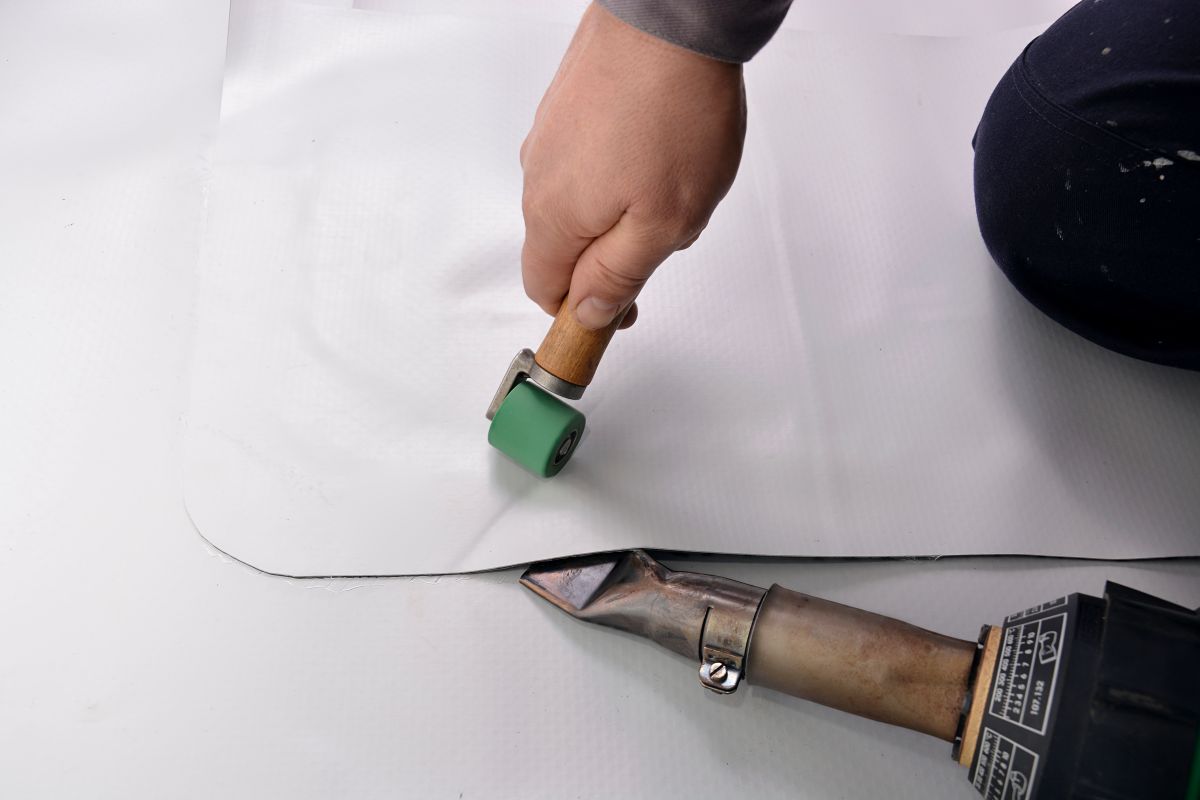
- Seam strength: TPO seams are heat-welded, creating a bond that’s often stronger than the membrane itself, while EPDM seams rely on adhesives or seam tape, which can require more careful maintenance over time.
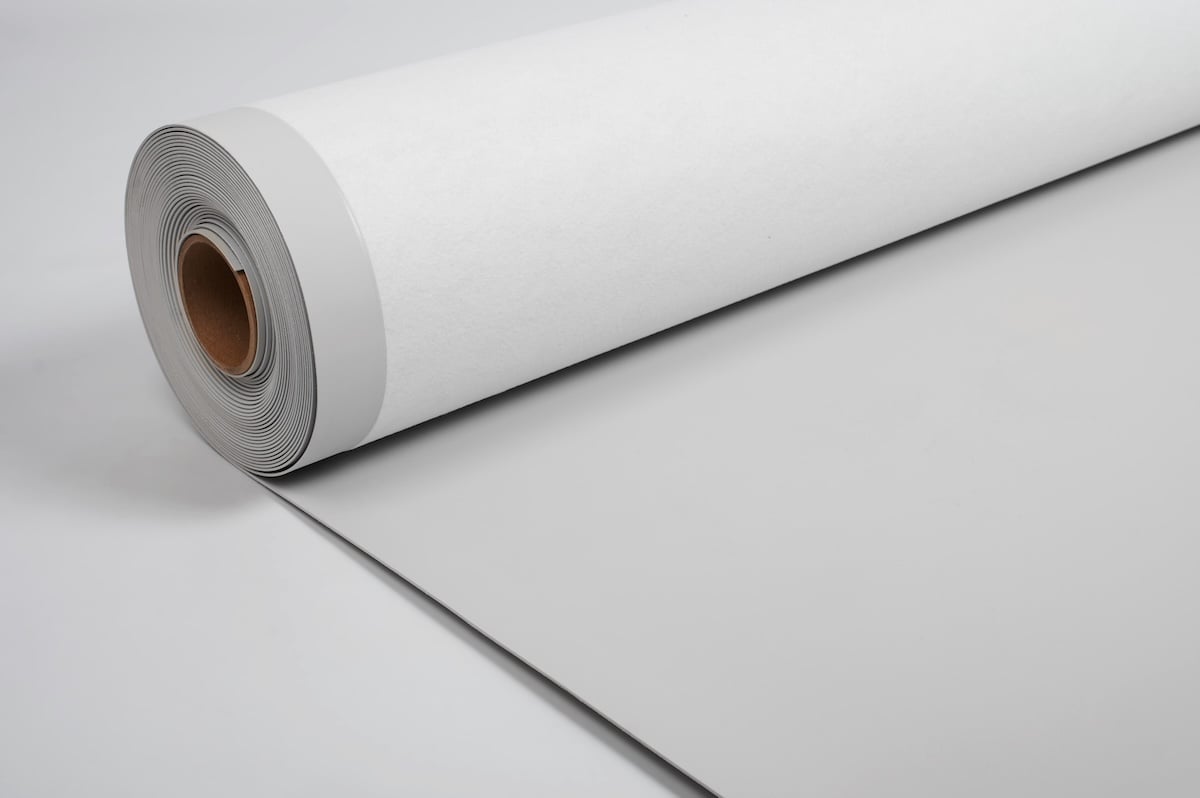
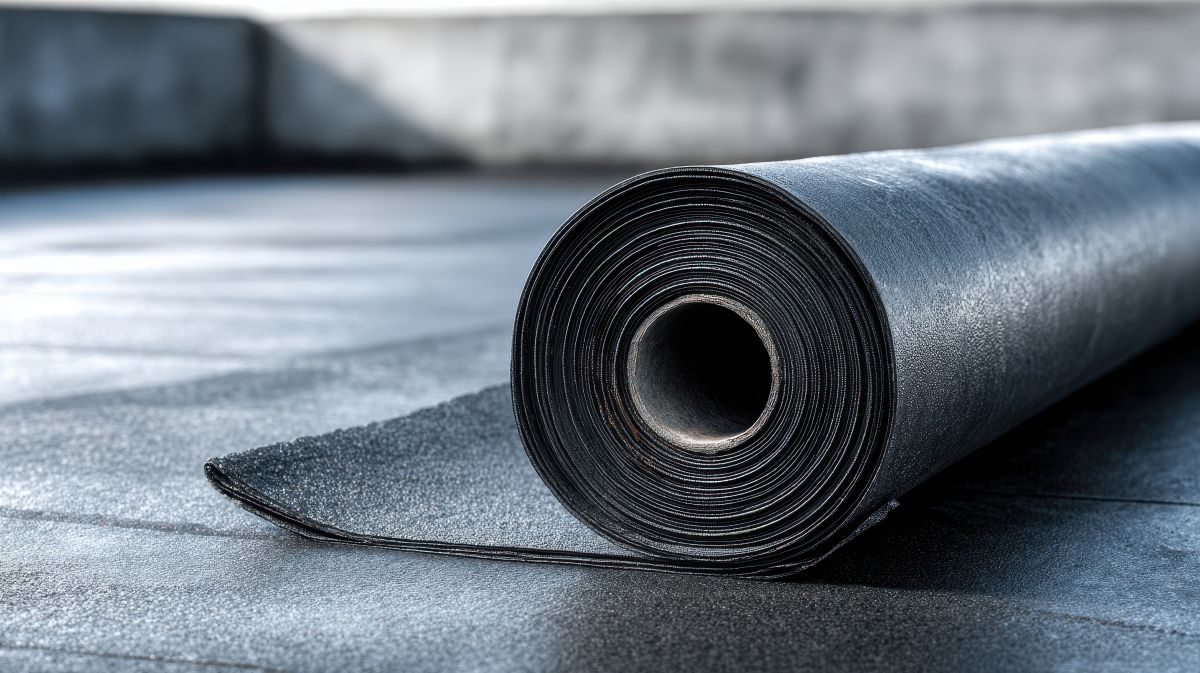
- Reflectivity: TPO membranes are manufactured with a reflective white or light-colored surface, while EPDM is typically black, meaning it absorbs more heat unless a reflective coating is added.
- Cost: EPDM is generally the lower-cost option per square foot, while TPO tends to cost more upfront but often comes with a stronger seam system.
- Ponding water resistance: EPDM membranes handle standing water somewhat better over time, while TPO performs best when the roof includes proper tapered insulation to direct water toward drains.
- Lifespan: A well-maintained EPDM roof typically lasts 20 to 25 years, while TPO systems generally run 15 to 20 years, though newer TPO formulations continue closing that gap.
Why These Differences Matter for Facility Budgets
None of these differences exist in a vacuum. A building with heavy rooftop equipment and frequent foot traffic puts more stress on seams, which favors TPO’s welded seam system. A building in a hot climate with high cooling costs benefits more from TPO’s reflective surface, while a building with a history of ponding water might lean toward EPDM. The right membrane depends on your building’s layout, your budget, and how long you plan to own the property.
Cost, Lifespan, and Performance at a Glance
Seeing the numbers side by side can make the decision easier when comparing TPO roofing vs EPDM for an upcoming project.
| Feature | TPO | EPDM |
| Average cost per square foot | $5.50 to $8.50 | $4.50 to $7.50 |
| Typical lifespan | 15 to 20 years | 20 to 25 years |
| Seam type | Heat-welded | Adhesive or tape |
| Surface color | White or light-colored | Black |
| Energy efficiency | Higher, reflective surface | Lower, unless coated |
| Ponding water tolerance | Moderate, needs tapered insulation | Better |
Pricing varies based on membrane thickness, insulation package, and building complexity, so these figures are meant as a general guide rather than an exact quote for your property.
Which Membrane Fits Your Building?
There’s no single right answer for every commercial property. These factors tend to point homeowners and facility managers in one direction or the other.
- Cooling costs: Buildings with high air conditioning demand often benefit more from TPO’s reflective surface and lower attic heat gain.
- Rooftop equipment: Properties with HVAC units, vents, and frequent maintenance foot traffic tend to favor TPO’s welded seams and puncture resistance.
- Budget constraints: Projects with tighter budgets sometimes lean toward EPDM roofing systems for their lower material cost per square foot.
- Roof age and drainage: Older roofs with known ponding issues may perform better with EPDM until proper tapered insulation can be added.
How Climate Plays a Role in Oklahoma City, OK
Commercial buildings in Oklahoma City, OK deal with intense summer heat, sudden hailstorms, and high wind events throughout the year, all of which put real stress on a low-slope roof. That combination is a major reason membrane choice matters so much for properties in our area.
- Summer heat: Oklahoma summers regularly push rooftop temperatures higher, so a reflective membrane can meaningfully reduce cooling costs on larger buildings.
- Hail exposure: Both TPO and EPDM can perform well against hail when installed with the right membrane thickness and cover board, though thicker membranes generally hold up better over time.
- Wind uplift: Properly fastened or fully adhered systems, whether TPO or EPDM, resist wind uplift better than older or improperly installed membranes.
TPO now drives about 49% of single-ply sales among commercial roofing contractors, compared to 28% for EPDM, according to Roofing Contractor’s 2025 State of the Roofing Industry Report. That shift reflects how many property owners are prioritizing reflective, energy-efficient membranes for buildings with high cooling demands.
We’re proud to serve business and property owners in Oklahoma City, OK and nearby communities with commercial roof replacements, repairs, and honest guidance on which membrane actually fits their building.
Maintenance and Repair Expectations for Each Membrane
Ongoing maintenance costs are just as important as the initial installation price, and the two membranes differ in how they hold up over time.
- Routine inspections: Both TPO and EPDM roofing membranes benefit from twice-yearly inspections to catch seam separation, punctures, or debris buildup before they turn into leaks.
- Seam maintenance: TPO roofing systems generally require less ongoing seam attention, while EPDM seams may need periodic resealing depending on adhesive quality and age.
- Repair complexity: TPO roofing membranes require a heat welder and trained technician for repairs, while EPDM patches can often be completed with liquid adhesive and a patch kit, making small repairs somewhat simpler.
- Ponding water management: EPDM tolerates occasional ponding better, but both membranes benefit from tapered insulation and clear drains to avoid long-term wear.
- Warranty terms: Manufacturer warranties for both systems typically range from 15 to 30 years depending on membrane thickness and installation method, and following the manufacturer’s maintenance schedule is usually required to keep the warranty valid.
Regardless of which membrane you choose, a roof maintained on a consistent schedule tends to outperform its base warranty period, while a neglected roof of either type will underperform its expected lifespan.
Frequently Asked Questions About TPO and EPDM Roofing
Facility managers and property owners comparing these two membranes tend to ask similar questions before signing off on a project. Here are answers to the ones we hear most often.
Is TPO or EPDM better for a flat roof?
It depends on your building. TPO tends to perform better on buildings with high cooling costs and heavy rooftop traffic, while EPDM often makes more sense for buildings with tighter budgets or known ponding water issues.
Can EPDM be installed over an existing TPO roof, or vice versa?
In most cases, a full tear off is required before switching membrane types, since the two systems have different adhesion and warranty requirements. A professional inspection can confirm what’s allowed for your specific building.
How long does a commercial roof replacement take?
Timelines vary by building size, but most single-ply membrane replacements take anywhere from a few days to a couple of weeks, depending on square footage, insulation work, and weather conditions.
Does membrane color actually affect energy costs?
Yes. Reflective, light-colored membranes like TPO absorb less solar heat than dark membranes like EPDM, which can lower cooling costs during peak summer months, especially on larger buildings.
Will insurance cover a commercial roof replacement after storm damage?
In many cases, yes, if the damage is documented and tied to a covered event like hail or wind. Working with a contractor experienced in insurance claims can help make sure the full scope of damage is properly assessed.
Which membrane is better for a building with a lot of rooftop equipment?
TPO tends to hold up better around HVAC units, vents, and frequent foot traffic thanks to its welded seams and puncture resistance, though proper walkway pads and protection are recommended for either membrane in high-traffic areas.
Can TPO or EPDM be installed year round?
EPDM installation is generally more flexible in cold weather since adhesives can be temperature sensitive but still workable, while TPO’s heat-welding process performs best within a manufacturer-specified temperature range. A qualified commercial roofing crew can plan around seasonal limitations either way.
Reliable Roofs From MINT Exteriors
Deciding between TPO and EPDM shouldn’t come down to guesswork. MINT Exteriors has helped property owners across Texas and Oklahoma navigate commercial roofing decisions since 2007, backed by an Owens Corning Platinum Preferred status and a team that explains the tradeoffs honestly instead of pushing whichever system is easiest to sell.
If you’re ready to figure out which membrane makes sense for your building, our team is happy to walk you through it during a free inspection. Schedule your free inspection with MINT Exteriors today and get a straight answer, not a sales pitch.

