

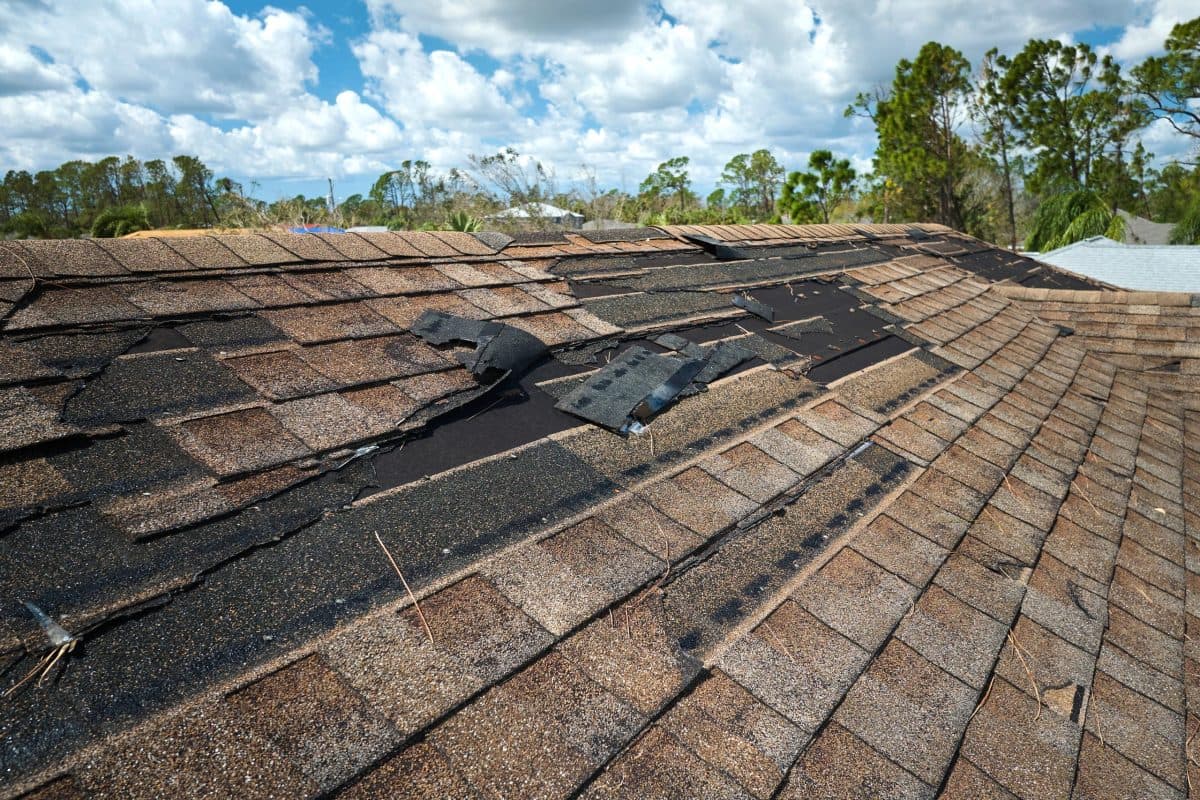
Storm Damage
New to Waxahachie? Here’s What You Should Know About Your Roof Before Storm Season
Moving to Waxahachie means adapting to a climate that hits differently than many other parts of Texas, especially when it comes to roof storm damage Waxahachie homeowners deal with year after year. Spring hail, summer heat, and occasional tornado activity all put North Texas roofs through their paces, and understanding how your specific roof handles those conditions matters more here than in milder regions. This guide covers the most common questions new Waxahachie residents ask about their roof before their first storm season, so you can plan ahead rather than react after storm damage roof issues show up. If you’d rather have someone take a look before storms hit, our Waxahachie roofing services team can help.
Understanding Waxahachie’s Storm Risk
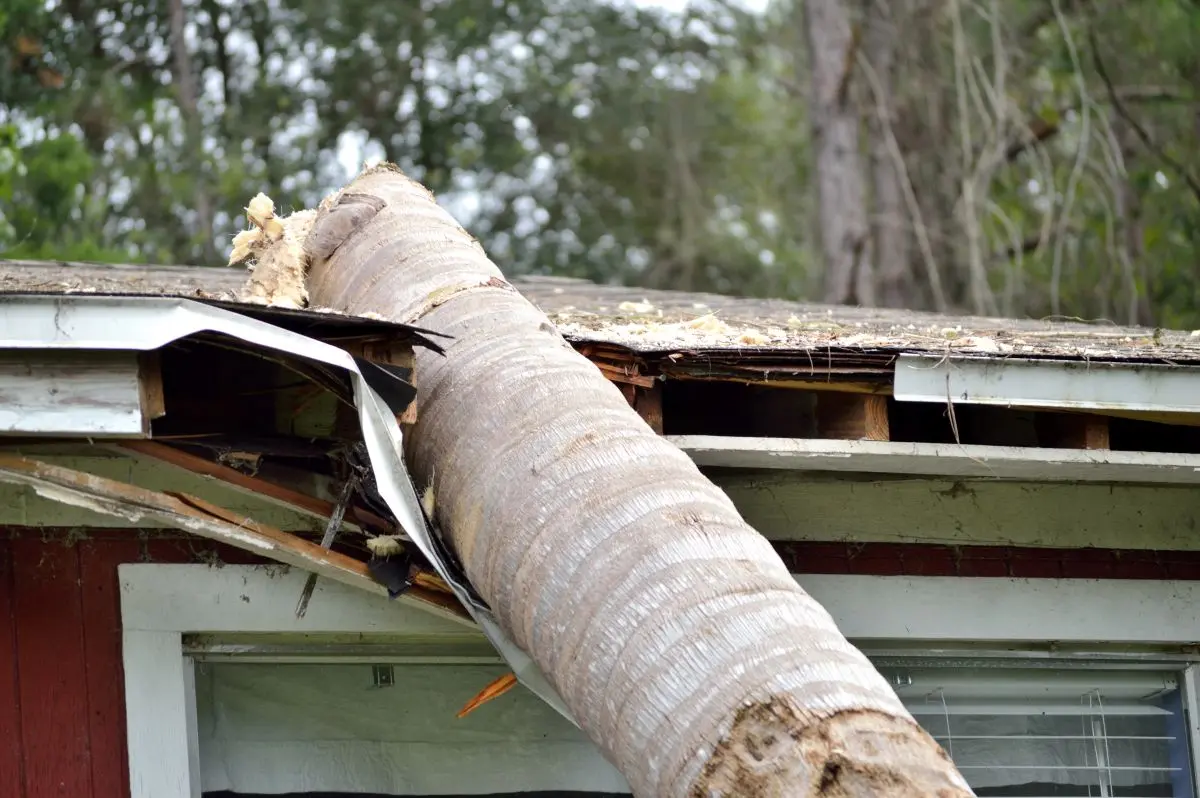
Waxahachie sits in a part of North Texas where severe weather is more the norm than the exception, so understanding the local risk profile is a good starting point for any new homeowner.
Q: How often does Waxahachie actually get severe storms?
A: More often than most new residents expect, and hail damage is one of the most common issues homeowners face after a major storm. Waxahachie sits in an active severe weather corridor, and Doppler radar has detected hail at or near Waxahachie 122 times over the past year, with 38 severe weather warnings issued for the area in the same period. Spring is the peak season for hail and tornado activity.
Q: Should I worry about tornadoes near Waxahachie?
A: Tornado risk is real but not the most common storm threat. According to NOAA storm data, 150 tornadoes have been recorded within 25 miles of Waxahachie since 1950, most rated EF0 or EF1, though a handful of stronger EF3 and EF4 events are on the record too. Hail typically causes more roof damage than tornadoes on an annual basis.
Q: When is storm season in Waxahachie?
A: Peak severe weather runs from March through June, with April historically the most active month for tornadoes and hail. Storm activity can happen year-round, though, so preparing your roof once in early spring covers most of the risk period.
Preparing Your Roof Before the First Storm

New homeowners often don’t think about their roof until something happens. Doing a little preparation upfront pays off when storms actually arrive.
Q: Should I have my roof inspected before storm season?
A: Yes, especially if you don’t know when the roof was last replaced or inspected. A detailed roof inspection before storm season identifies weak points, minor damage, and hidden problems that could turn into major leaks after a storm. Most reputable roofing company teams offer free inspections at no cost, including a free storm damage inspection, and experienced crews know exactly what thorough inspections should cover on a Texas roof.
Q: What roof problems are common in Waxahachie’s climate?
A: Granule loss on shingles from repeated hail, cracked or missing shingles from high winds, damaged flashing around vents and chimneys, and aging pipe boots are the most common issues. Extreme summer heat also accelerates shingle aging faster than in milder climates, and strong winds can lift shingle edges even on newer roofs. Left alone, these small issues can turn into hidden damage, mold growth in the attic, or costly repairs down the road.
Q: How can I make my roof more storm-resistant?
A: Class 4 impact-resistant shingles offer the best protection against hail on your next replacement, and many Texas carriers offer premium discounts for upgrading. Proper attic ventilation, sealed flashing, updated pipe boots, and quality workmanship on the original install all extend a roofing system’s storm survivability, so you’ll be in a stronger position before the next storm rolls through.
Insurance and Documentation
Insurance is where a lot of new Waxahachie homeowners get caught off guard, since Texas policies work differently than coverage in other parts of the country.
Q: Do I need special insurance coverage for hail in Texas?
A: Most standard Texas homeowners policies cover hail and wind damage, though some include cosmetic damage exclusions that limit payouts on dented but functional shingles. Reviewing your specific policy language before storm season is worth an hour of your time.
Q: Should I document my roof’s condition now?
A: Yes. Photos of your roof’s pre storm condition, along with any recent inspection reports, give you a baseline to prove what damage was pre-existing versus storm-caused. That documentation matters if a claim ever comes up.
Q: What should I know about deductibles for hail claims?
A: Many Texas policies use separate wind and hail deductibles that are higher than standard deductibles, sometimes a percentage of your home’s insured value rather than a flat dollar amount. Check your policy so there are no surprises after a storm.
After the Storm: What Comes Next

When a storm actually hits, the steps you take in the first few days often shape how the whole process plays out.
Q: What should I do immediately after a hailstorm?
A: Stay off the roof, but check for obvious damage from the ground with binoculars. Document any damage with dated photos, note the storm date, and schedule a professional roof inspection within a few weeks so you have a baseline before contacting your insurer. If you spot an active leak, emergency tarping can prevent further damage until permanent repairs can be scheduled.
Q: Should I call a contractor or my insurance company first?
A: Getting a contractor inspection first gives you an independent damage assessment before your insurer sends their adjuster. That baseline often catches damage the adjuster might miss and gives you leverage during the insurance claim process, especially for storm damage restoration on older roofs.
Q: How quickly should I file a claim after storm damage?
A: Within a few weeks if possible. Most Texas policies require damage to be reported within a specific window, often one year, but the sooner you file, the easier it is to tie visible damage to a specific storm date and start any needed storm damage repair work.
Getting Ready for Your First Waxahachie Storm Season
Waxahachie’s climate rewards homeowners who plan ahead. Knowing the local risk, understanding your policy, and having a trusted contractor on speed dial before you actually need one turns a potentially stressful process into a straightforward one.
MINT Exteriors has helped Ellis County homeowners prepare for and recover from storm damage since 2007, backed by superior craftsmanship and a track record of customer satisfaction across the region. Book your pre-storm roof checkup today so you head into your first Waxahachie storm season knowing exactly where your roof stands.