
Roofing
How Long Do Asphalt Shingles Last in Texas? 2026 Guide
Texas heat, hail, and sudden storms all take a toll on an asphalt shingle roof, so it’s worth knowing how long do asphalt shingles last before you’re stuck guessing whether a roof repair or a full replacement makes more sense. National averages don’t always hold up once you factor in Texas summers, and homeowners here often see a different timeline than what a shingle’s warranty label suggests. Understanding what actually shortens or extends that lifespan can help you plan ahead instead of reacting to a leak after the damage is already done. Talking with a residential roofing specialist about your specific roof’s age and condition is one of the fastest ways to get a real answer instead of relying on a generic warranty number. Here’s what this guide covers:
- Average asphalt shingle lifespan in Texas versus the national average
- Five factors that determine how long your roofing materials actually last
- How different shingle types compare on durability
- Signs it’s time for a roof replacement
- Common questions homeowners ask about shingle lifespan
Why Texas Shortens the Typical Shingle Timeline
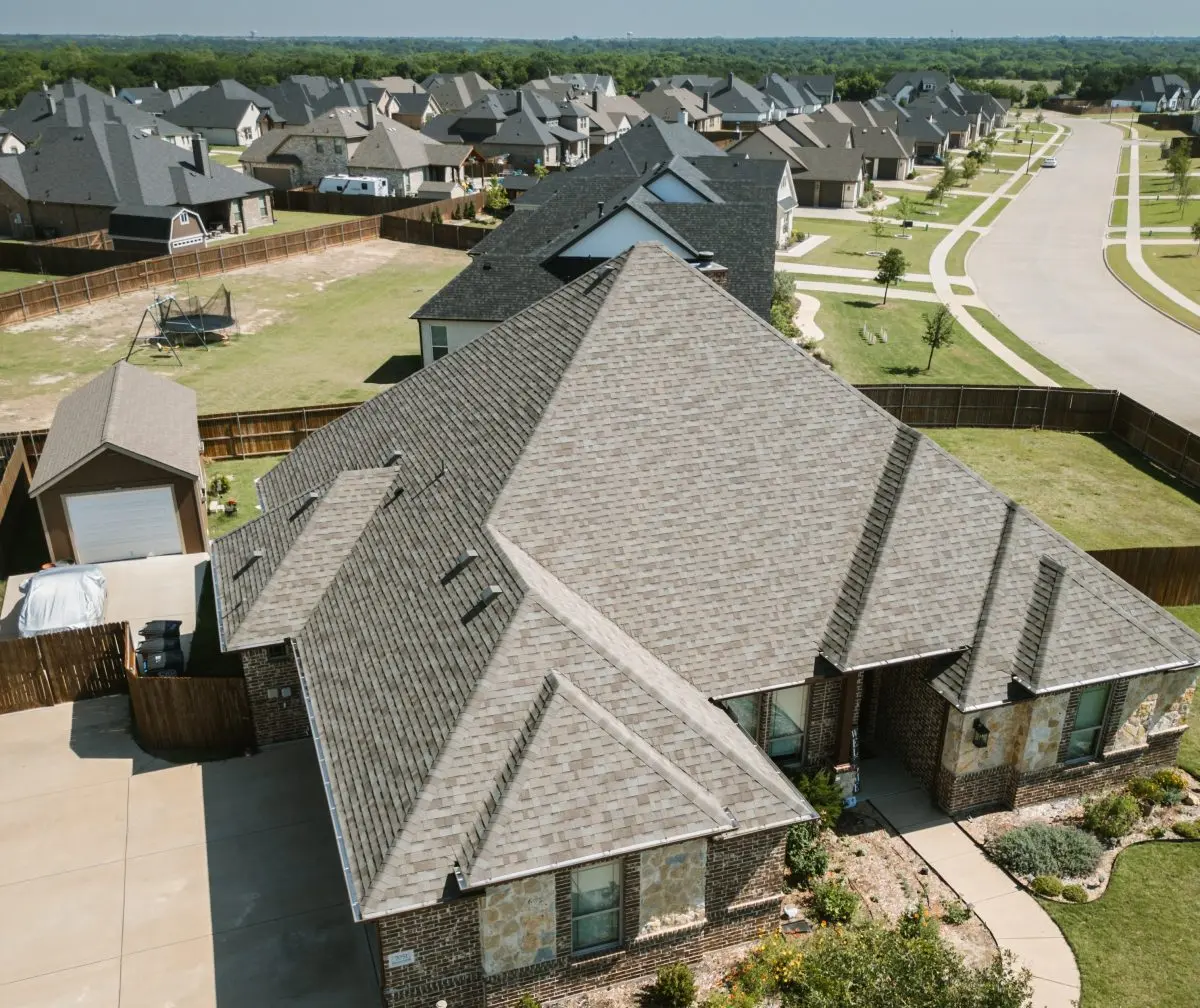
Asphalt shingles are rated for 20 to 30 years under manufacturer testing conditions, but those numbers assume a moderate climate without extreme heat or frequent hail. Texas homes rarely get that moderate treatment. A few conditions specific to this region tend to shorten the realistic lifespan homeowners can expect.
- Extended heat exposure: UV radiation and high attic temperatures accelerate the oxidation process that dries out and weakens asphalt over time.
- Frequent hail activity: Hail knocks granules loose from the shingle surface, exposing the asphalt mat underneath to faster deterioration.
- Rapid temperature swings: Hot days followed by cool nights cause shingles to expand and contract repeatedly, which leads to small stress cracks over the years.
- High wind events: Strong gusts can lift shingle edges or tear them loose entirely, especially on older roofs with weakened adhesive strips.
- Attic ventilation issues: Poor airflow traps heat underneath the roof deck, which shortens shingle life from below even when the surface looks fine.
Combined, these conditions explain why a shingle rated for 25 years elsewhere might realistically deliver closer to 18 to 22 years on an average North Texas roof, depending on the home’s specific exposure and upkeep.
5 Factors That Determine How Long Your Shingles Actually Last
While national averages provide a starting point, these five factors do more to determine your actual roof’s lifespan than the number printed on the warranty.
- Shingle quality and type: Basic three-tab shingles typically last 15 to 20 years, while architectural asphalt shingles last 25 to 30 years or longer due to their thicker, layered construction.
- Installation quality: Even premium shingles underperform if nailed incorrectly, installed without proper underlayment, or laid over damaged decking.
- Attic ventilation: Proper intake and exhaust ventilation regulates temperature and moisture, both of which directly affect how fast shingles degrade from underneath.
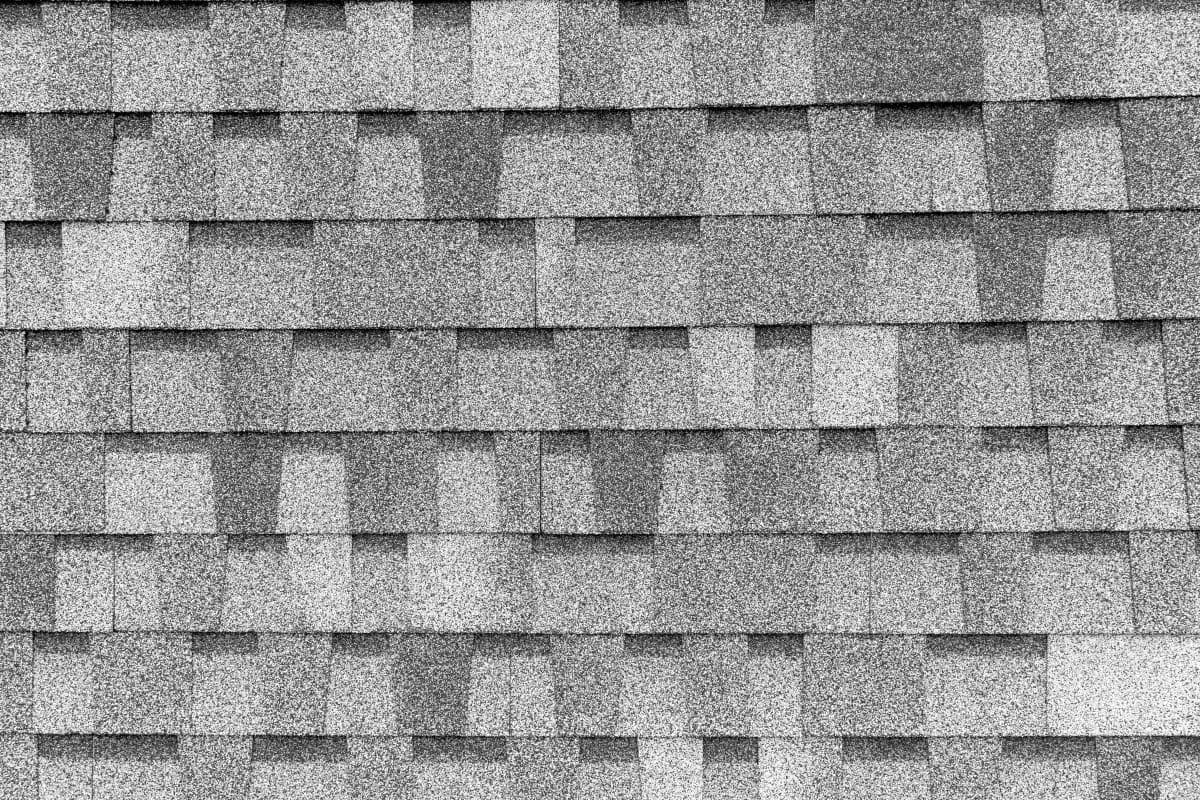
- Roof color and reflectivity: Lighter colored shingles reflect more sunlight and tend to run cooler than dark shingles, which can meaningfully extend service life in a hot climate.
- Maintenance history: Roofs with regular inspections and prompt minor repairs consistently outlast roofs that go years without anyone checking for granule loss or flashing issues. Catching a small problem early, like a lifted shingle tab or a cracked pipe boot, often costs a fraction of what a full leak repair would run later.
Why Installation Quality Outweighs the Warranty Label
A shingle’s warranty describes performance under ideal, defect-free installation conditions, not a guarantee tied to your specific roof. Improper nailing patterns, skipped underlayment steps, or inadequate flashing around vents and chimneys can shave years off a shingle’s realistic lifespan regardless of how the product is marketed. This is one of the main reasons two identical shingle products on two different homes can age at noticeably different rates.
Manufacturer warranties are also often prorated, meaning the coverage value decreases every year the roof ages. A material defect discovered at year 5 might result in a substantial credit toward replacement, while the same defect discovered at year 18 could leave you with only a small fraction of the material cost covered. Labor and tear-off costs are rarely included in a material warranty at all, which is why a workmanship warranty from your installer matters just as much as the manufacturer’s coverage.

Shingle Type Comparison
Different shingle types hold up differently under Texas conditions, and knowing the tradeoffs helps set realistic expectations before your next replacement. Architectural shingles typically outperform basic three-tab options across nearly every category, from wind rating to overall lifespan.
| Shingle Type | Typical Lifespan | Wind Rating | Best For |
| Three-tab asphalt | 15 to 20 years | 60 to 70 mph | Budget-conscious projects |
| Architectural (dimensional) | 25 to 30 years | 110 to 130 mph | Most Texas homes |
| Premium/designer shingles | 30 years or more | 130 mph or higher | High-end or storm-prone properties |
Signs Your Shingles Are Reaching the End of Their Life
Knowing what to look for can help you spot the signs it’s time to replace your roof shingles before a small problem turns into interior water damage.
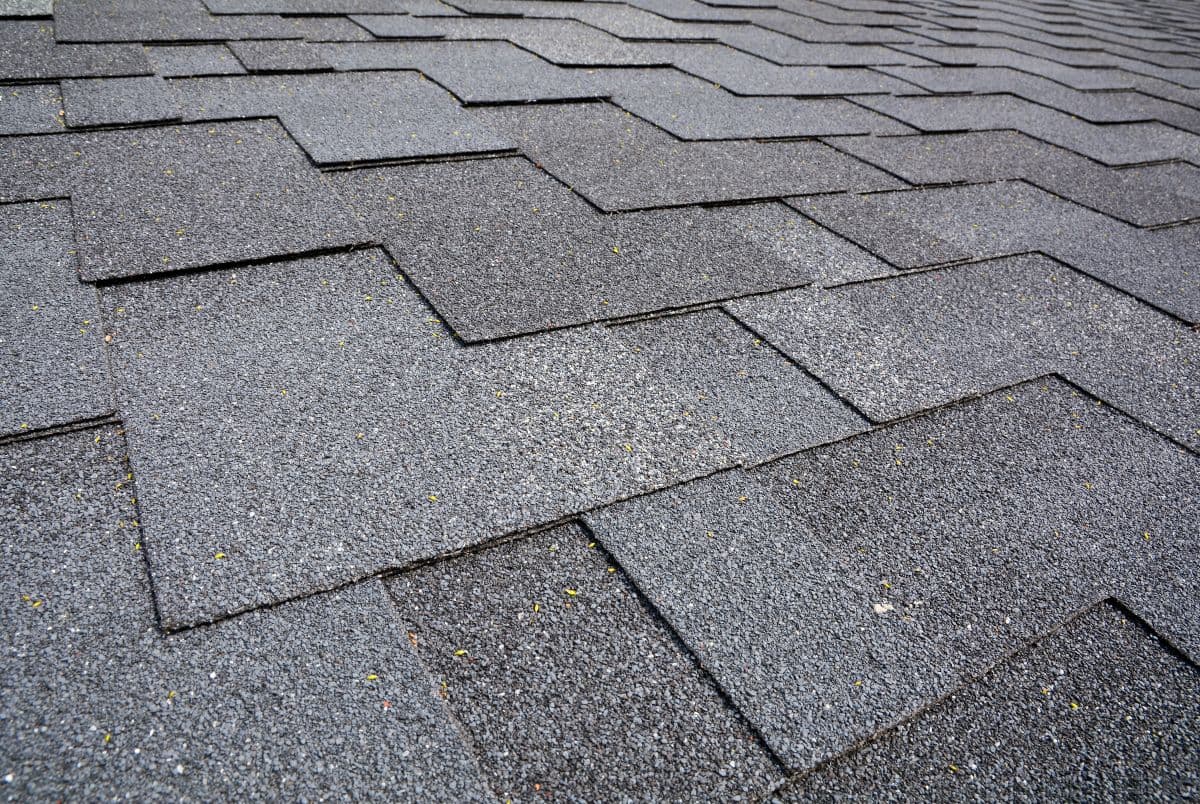
- Curling or cupping edges: Shingle edges that lift or curl upward are one of the clearest signs of advancing age and sun exposure.
- Heavy granule loss: Bald spots on the shingle surface or protective granules collecting in gutters signal the coating is wearing thin.
- Cracked or missing shingles: Isolated cracks can sometimes be repaired, but widespread cracking usually points to a roof nearing full replacement.
- Daylight visible in the attic: Light coming through the roof deck from inside the attic is a clear sign of gaps that need immediate attention.
- Sagging rooflines: A visibly sagging or uneven roofline often indicates decking damage beneath the shingles rather than a surface-level issue alone.
Homes eligible for an FHA-insured mortgage are held to a specific standard for roof condition. An FHA appraiser must confirm a roof has at least two years of remaining useful life before the loan can move forward, according to HUD’s Single Family Housing Policy Handbook 4000.1. That standard is a useful benchmark even outside a home sale, since a roof judged to have less than two years left is generally past the point where repairs make more sense than replacement.
Frequently Asked Questions About Asphalt Shingle Lifespan
Homeowners trying to gauge their roof’s remaining life tend to ask a similar set of questions.
Do all asphalt shingles really last as long as their warranty says?
Not necessarily. Warranty terms describe expected performance under ideal conditions and often don’t account for extreme heat, poor ventilation, or installation errors, all of which can shorten actual service life well below the labeled warranty period.
Can I extend my shingle roof’s lifespan without replacing it?
Yes, to an extent. Regular inspections, prompt repair of minor damage, keeping gutters clear, and improving attic ventilation can all add years to a roof that’s otherwise in reasonable condition.
How do I know if my roof needs repair or full replacement?
Isolated damage, like a few cracked shingles or a small leak, is often repairable on an otherwise sound asphalt roof. Widespread granule loss, curling across large sections, or a roof approaching 20-plus years usually points toward a complete roof replacement being the more cost-effective option.
Does roof color actually make a measurable difference in Texas heat?
Yes. Lighter shingle colors reflect more solar heat than dark colors, which can reduce attic temperatures and slow the oxidation process that ages asphalt shingles over time.
How much does attic ventilation really affect shingle lifespan?
More than most homeowners expect. Poor ventilation traps heat and moisture underneath the roof deck, which accelerates shingle aging from below even when the visible surface looks fine. Balanced intake and exhaust ventilation is one of the most cost-effective ways to protect your investment over the life of the roof.
Getting a Straight Answer on Your Roof’s Timeline
Knowing how long asphalt shingles last in theory is useful, but the real answer depends on your specific roof’s age, ventilation, installation quality, and how much Texas weather it’s absorbed over the years. A professional inspection is the most reliable way to know where your roof actually stands, rather than relying on a warranty label or a rough estimate based on age alone.
MINT Exteriors has helped homeowners across DeSoto and the greater Dallas-Fort Worth area evaluate roof condition and plan replacements since 2007. Schedule your free inspection today to get a clear read on how much life your current roof has left.