
Storm Damage
Hail Damage Roof Repair: 6 Things You Need to Know First
Hail damage roof repair is one of those situations where getting the right information upfront can save you thousands of dollars, months of headaches, or both. Insurance company disputes, missed damage, aggressive storm chasers, and confusing warranty terms all come into play when a hail storm rolls through, and the decisions you make in the first few weeks after severe weather often shape how the entire process plays out. For homeowners weighing storm damage roof repair options after North Texas hail, working with an experienced storm damage restoration team can make the difference between a smooth claim and a drawn-out fight. Here’s what this guide covers:
- What actually counts as roof damage in an insurance claim
- Six critical things to know before scheduling repairs
- How the claims process typically unfolds
- Common questions homeowners ask after a hailstorm
What Actually Counts as Hail Damage

Not all hail impact on a roof qualifies as damage under most insurance policies. Insurers and adjusters typically distinguish between two categories, and knowing the difference matters when a claim is on the line.
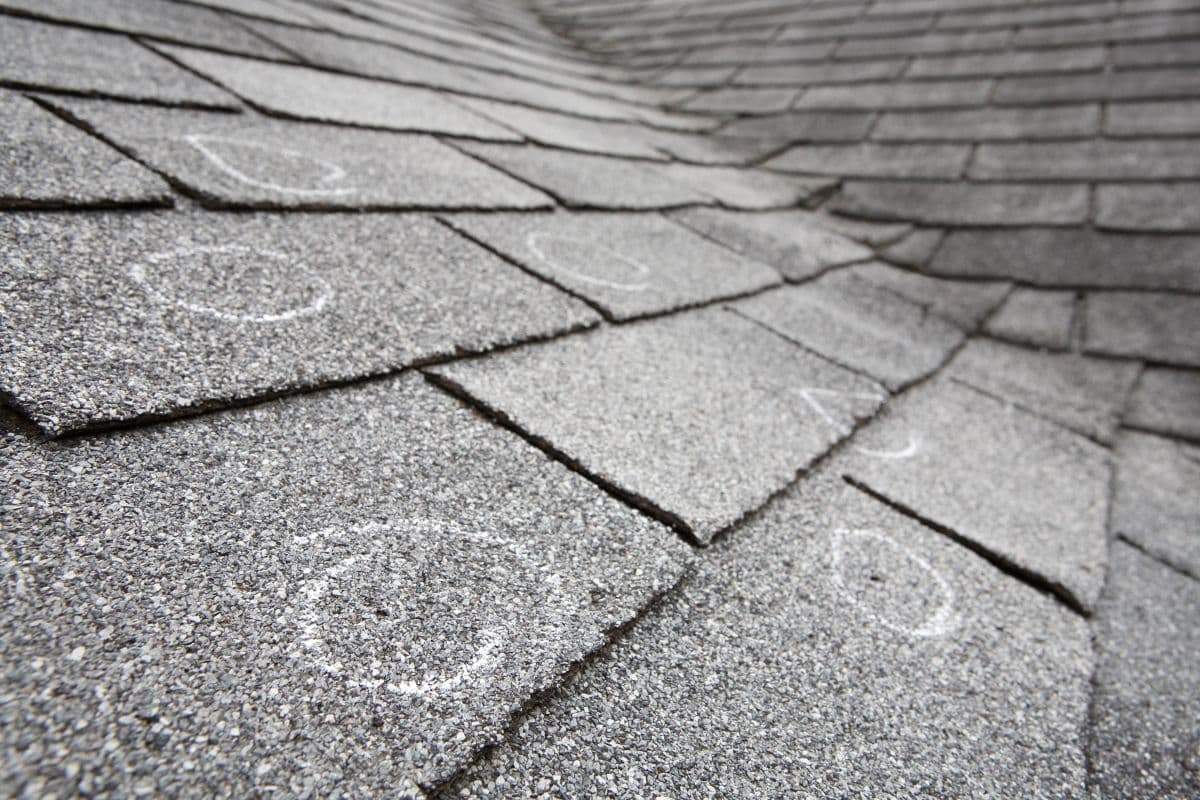
- Functional damage: Impact that compromises the roof’s ability to shed water, including cracked shingles and granule loss that exposes the asphalt mat on asphalt shingle roofs. Hail can knock granules off shingles, exposing the underlayment, along with punctures, missing shingles, or lifted shingle tabs. This category is generally covered, though not all damage is immediately visible from ground level.
- Cosmetic damage: Impact that affects appearance but doesn’t compromise weatherproofing performance of the roofing materials, like dents on metal or minor bruising on shingles that don’t crack. This category is often excluded, especially under Texas cosmetic damage endorsements.
The line between the two isn’t always obvious from ground level, and disputes often center on which category a specific patch of damage falls into.
6 Things You Need to Know Before Scheduling Repairs
Storm response mistakes can cost real money. These are the six things worth understanding before signing anything or accepting any adjuster’s initial assessment.
- Small hail can cause real damage. Insurers have historically dismissed hail under 1 inch as harmless, but recent peer-reviewed research proves otherwise. Documenting sub-severe hail events matters more than most homeowners realize.
- Time limits apply to hail claims. Most Texas policies require damage to be reported within a specific window after the loss date, often one year. Missing that window can void an otherwise valid claim entirely.
- Adjusters can miss damage. A single 30-minute inspection sometimes misses damage that a roofing contractor with hail experience catches easily. Requesting a re-inspection with your contractor present is often worth it if the initial estimate feels light.
- Storm chasers are a real risk. Out-of-town contractors who show up door-to-door after a storm often lack local licensing, insurance, or a track record you can verify. Sticking with an established local roofing company protects you long after the truck leaves.
- Repair vs. replacement changes the payout math. A patch repair may resolve the immediate leak but leave surrounding damage unaddressed, and a full roof replacement often triggers different insurance coverage terms than a partial repair, especially on older roofs. Knowing when roof replacement makes more sense than a patch job matters, and homeowners planning to replace can consider that Class 4 impact-resistant shingles can reduce future hail damage on their next roof.
- Documentation drives everything. Photos of the damage from the day of the storm, weather reports for that date, and detailed contractor estimates are what separate a paid claim from a denied one.
What Hail Damage Repair Actually Involves

Not every hail-damaged roof needs a full replacement. Understanding the scope of typical repair work helps homeowners understand what they’re paying for and where corners sometimes get cut.
- Individual shingle replacement: For isolated damage, individual shingle replacement involves removing broken shingles and securing new ones in the same position, using proper sealant and nailing patterns to match the surrounding roof.
- Flashing and vent repair: Flashing and vent replacement is necessary if they lose structural integrity, since a bent or cracked flashing detail creates a leak path even when the surrounding shingles look intact.
- Matching new shingles to existing: Matching replacement shingles should match the existing roof’s color and wear level as closely as possible, though older roofs make an exact match difficult, which is one reason full replacement often makes more sense on aging roofs.
- Substrate inspection: Any decking rot or moisture damage found during shingle replacement should be addressed before the new material goes on, or the same issues resurface within a year or two.
How the Hail Damage Claim Process Typically Works
Moving from a storm to a paid claim to actual repairs involves a specific sequence, and knowing what comes next helps homeowners stay ahead of the process.
- Initial damage documentation: Take photos of visible damage as soon as it’s safe, and save any weather reports or storm alerts from the date of loss.
- Contractor inspection: Schedule a free roof inspection with experienced roofing contractors before contacting your insurer, so you have a baseline damage assessment.
- File the claim: Contact your insurance carrier to open a claim, providing the date of loss and initial documentation.
- Adjuster inspection: The insurance carrier sends an adjuster to inspect the roof and estimate repair or replacement costs. Having your contractor present for this inspection often improves accuracy.
- Review the settlement: Carefully compare the adjuster’s estimate against your contractor’s assessment. Push back with additional documentation if the two significantly disagree.
- Repair scheduling: Once the claim is settled, the contractor orders materials and schedules repairs, typically coordinated around weather and material availability.
Frequently Asked Questions About Hail Damage Roof Repair

Homeowners dealing with hail damage for the first time tend to ask a similar set of questions before deciding how to proceed.
How soon after a storm should I have my roof inspected?
Within a few weeks if possible, especially if you noticed any obvious impact damage or debris. Delaying can complicate the claims process by making it harder to tie visible damage to a specific storm date.
Will filing a hail claim raise my insurance rates?
It depends on the carrier and your claim history. Many Texas homeowners policies use a rating system that considers claim frequency more than a single event, though widespread hail loss years can trigger area-wide insurance premiums increases regardless.
Should I get a contractor estimate before filing a claim?
Yes. A detailed contractor estimate gives you a baseline to compare against the adjuster’s assessment and often surfaces damage the adjuster might otherwise miss.
What if my claim is denied?
You have options. Requesting a re-inspection with your contractor present, filing a formal appeal, or invoking the appraisal process in your policy are all standard next steps. A contractor experienced in insurance disputes can help build the documentation for any of these paths.
Can I choose my own roofing contractor?
Yes. Insurance carriers don’t dictate which contractor performs the work, though they will typically only pay up to the estimated repair or replacement cost. Choosing an experienced local contractor gives you a better chance of getting the full scope of damage documented and covered.
Handling Hail Damage the Right Way
Getting hail damage right the first time saves both money and stress down the road. The homeowners who come out of this process best tend to be the ones who move quickly, document thoroughly, and work with a contractor who has actually been through the claims process before.
MINT Exteriors has helped Texas and Oklahoma homeowners navigate hail damage roof repair and insurance claims since 2007. Get in touch for a hail damage inspection today and see how our team can help you build a claim that reflects the full scope of what your roof went through.