

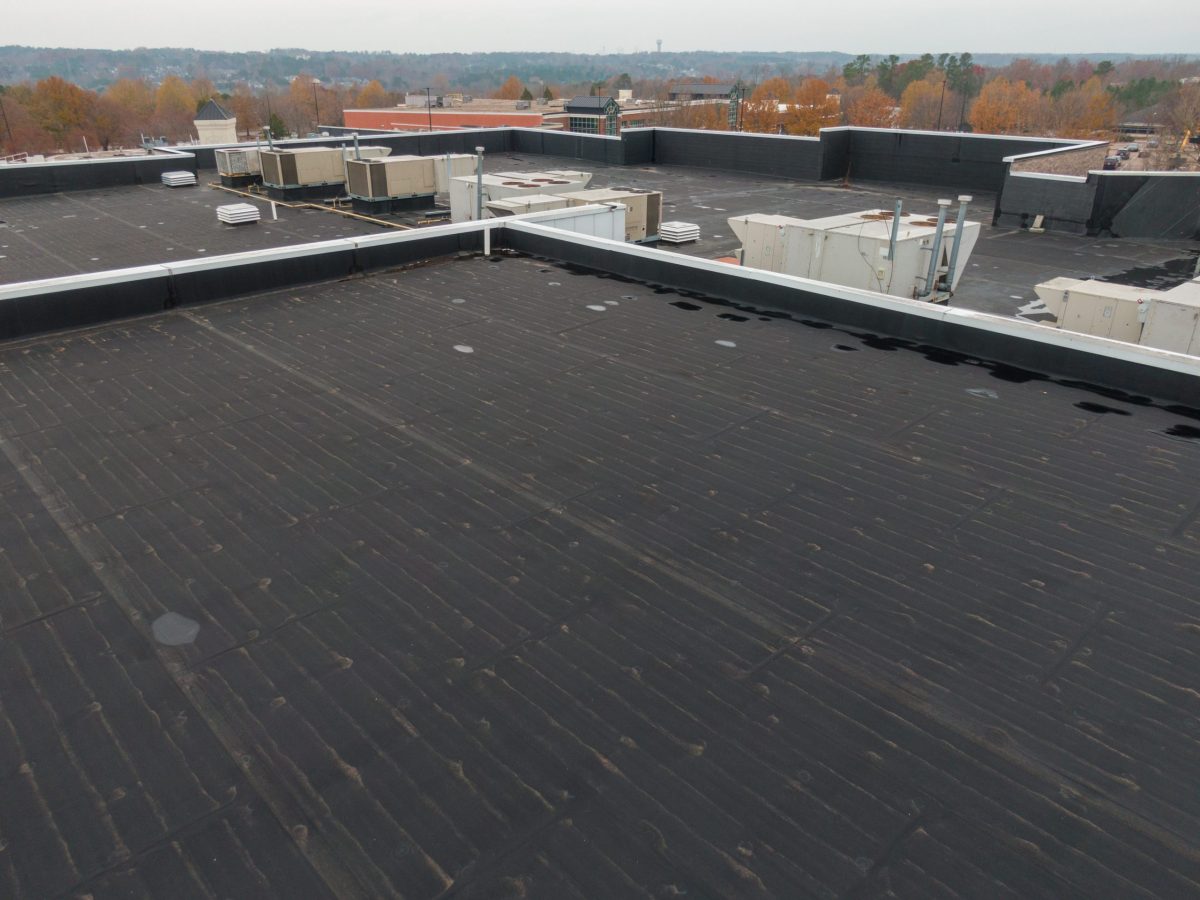
Commercial Roofing
6 Commercial Roofing Types: Which One’s Right For You?
Choosing between commercial roofing types is one of the bigger decisions a property owner makes, since the right roof assembly affects energy costs, maintenance requirements, and how long the roof actually lasts. Different commercial roofing materials like TPO, EPDM, metal, modified bitumen, built-up roofing, and spray foam each perform differently under Texas weather, and matching the material to the building’s use, budget, and roof pitch is what separates a smart pick from an expensive lesson. Property owners exploring commercial roofing options often find that no single system is universally best. This guide breaks down six of the most common types of commercial roofing and where each one shines.
Here’s what this guide will help you understand:
- The most common commercial roofing types used on Texas buildings
- The strengths and tradeoffs of each system
- How energy efficiency factors into the decision
- Common questions property owners ask before choosing
6 Common Commercial Roofing Types
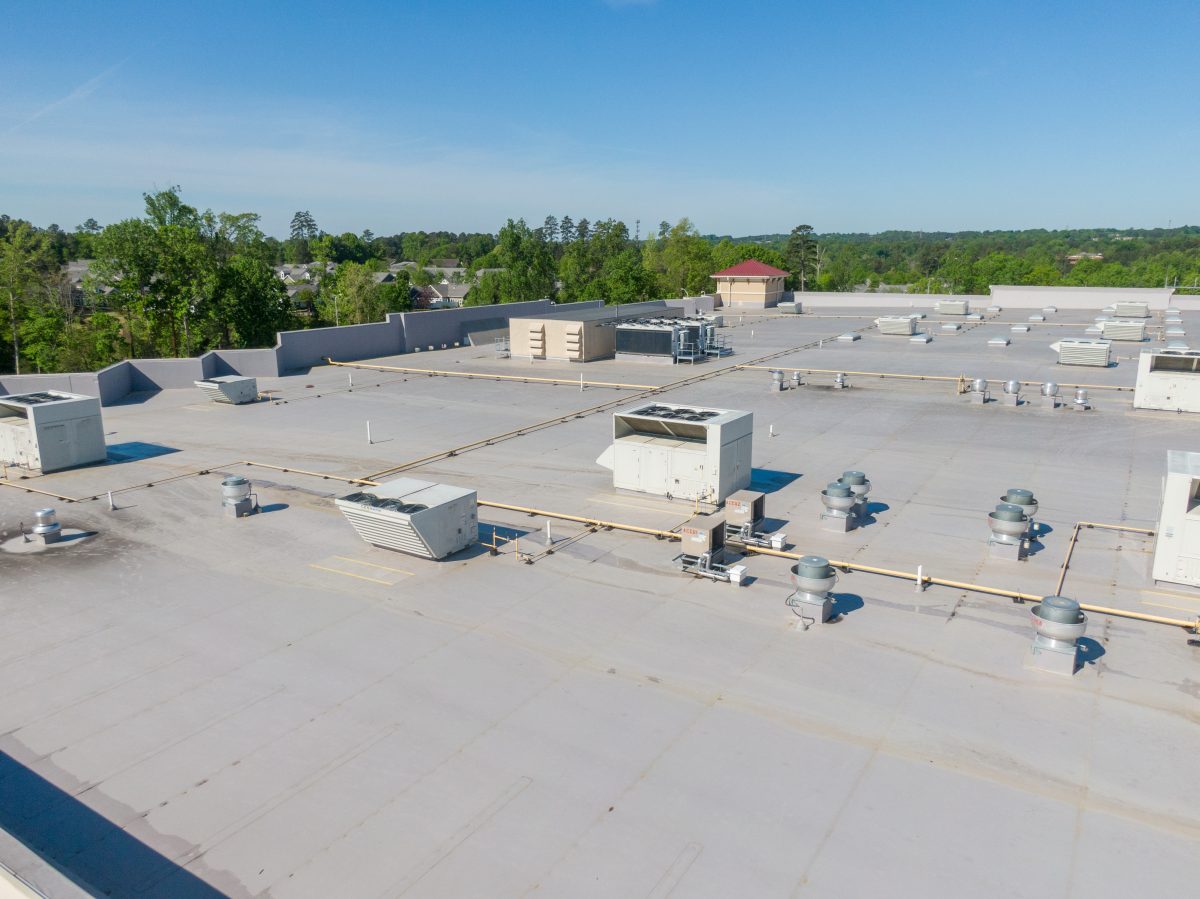
Different buildings call for different roofing systems, and each of the options below has a place depending on the roof pitch, building use, and budget priorities.
1. TPO (Thermoplastic Polyolefin)
TPO is one of the most widely installed single ply roofing systems on flat roofing and low-slope commercial roofs, valued for its white reflective surface, heat-welded seams, and strong energy performance. Its reflective properties make it a common pick for property owners focused on cooling costs.
- Strengths: Reflective surface reduces heat absorption, heat-welded seams create a strong watertight bond, and installation is relatively fast.
- Best for: Office buildings, retail spaces, and warehouses in hot climates like North Texas.
- Tradeoffs: Formulations have evolved over the years, so long-term aging performance depends heavily on the specific manufacturer and product line.
2. EPDM (Ethylene Propylene Diene Monomer)
EPDM is a synthetic rubber membrane with more than 40 years of proven track record on commercial roofs. Typically black, it holds up well against UV exposure, temperature swings, and hail impact.
- Strengths: Proven longevity, flexibility across wide temperature ranges, and lower upfront cost than many alternatives.
- Best for: Buildings in variable climates or those prioritizing long-term durability over reflective performance.
- Tradeoffs: Standard black EPDM absorbs heat, which can increase cooling loads unless a reflective coating is added.
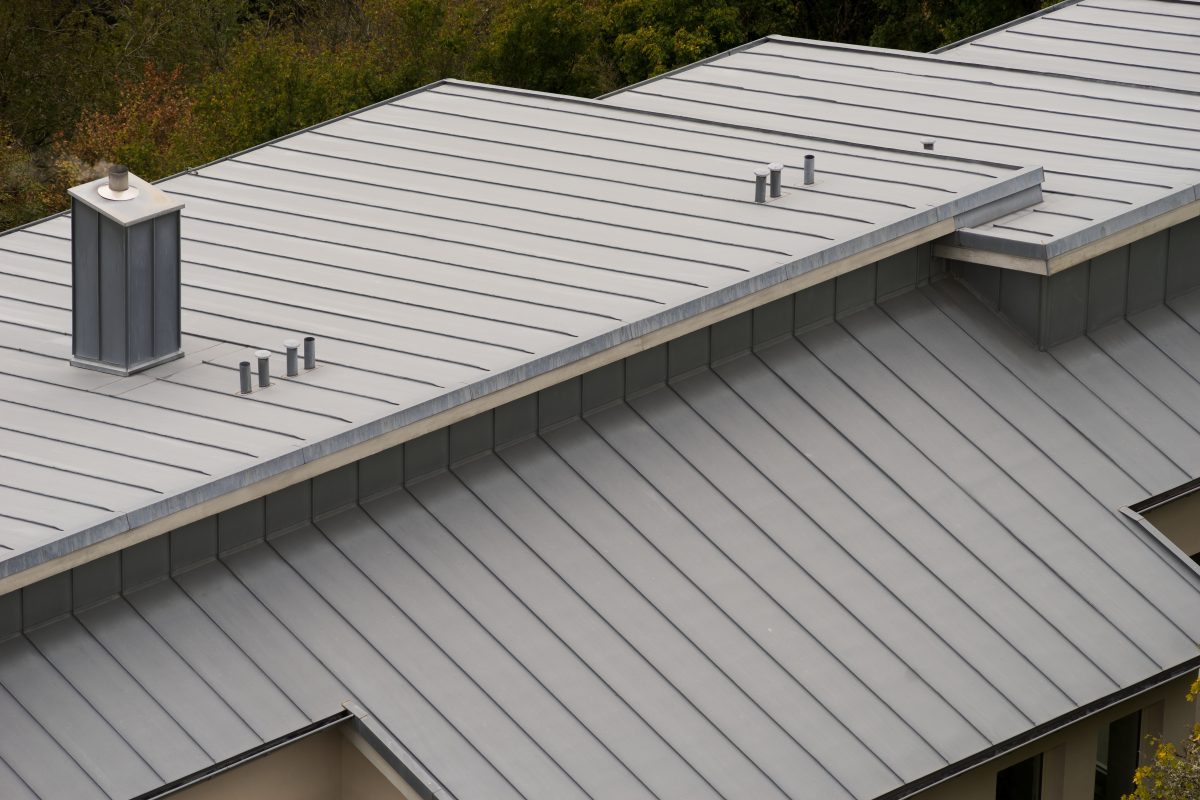
3. Metal Roofing
Standing seam metal and other metal panel systems are popular for both low-slope and pitched commercial roofs, with lifespans that regularly exceed 40 to 50 years. Metal systems also offer excellent recyclability and can be paired with reflective coatings for cool-roof performance.
- Strengths: Exceptional lifespan, fire resistance, and strong wind and hail performance.
- Best for: Warehouses, industrial roofing applications, agricultural structures, and any building where long-term durability outweighs upfront cost.
- Tradeoffs: Higher upfront cost than single-ply membranes, and installation requires specialized experience to prevent leaks at panel seams.
4. Modified Bitumen
Modified bitumen combines asphalt with polymers like APP or SBS to create a flexible, multi-layer membrane installed in rolls. It’s often applied over an insulated base with heat, cold adhesive, or self-adhering sheets.
- Strengths: Multi-layer redundancy, strong puncture resistance, and reliable performance on foot-trafficked roofs.
- Best for: Buildings with rooftop HVAC equipment, restaurants, and any commercial space where roof access is routine.
- Tradeoffs: Traditional torch-applied installation carries fire risks, and darker surfaces absorb more heat than reflective alternatives.
5. Built-Up Roofing (BUR)
Built-up roofing is the traditional “tar and gravel” system that layers alternating sheets of bitumen and reinforcing fabric, topped with gravel or a reflective coating. It’s one of the oldest commercial roofing methods still in use, though its market share has declined as single-ply systems have grown.
- Strengths: Multiple waterproofing layers provide redundancy, and the gravel top coat adds fire and UV protection.
- Best for: Buildings prioritizing proven redundancy on flat roofs, particularly in legacy or industrial applications.
- Tradeoffs: Heavy system that requires a structurally sound roof deck, and installation is slower and messier than modern alternatives.
6. Spray Polyurethane Foam (SPF)
SPF roofing is applied as a liquid that expands into a solid, seamless foam layer with excellent insulation and waterproofing built into the same system. Once installed, it needs a UV-protective coating to prevent sun degradation.
- Strengths: Fully monolithic with no seams, superior insulation R-value, and can be recoated every 10 to 15 years instead of fully replaced.
- Best for: Warehouses, cold storage buildings, and any property where energy efficiency and seamless waterproofing are priorities.
- Tradeoffs: Installation is weather-dependent, and long-term performance relies on maintaining the protective coating over time.
How to Choose the Right Commercial Roofing Type
Picking the right system comes down to matching the material to the building, not the other way around. A few practical factors help narrow the decision.
Roof Slope
Slope determines which systems are even eligible. Flat and low-slope roofs (2:12 or less) rule out asphalt shingles and call for membrane systems like TPO, EPDM, modified bitumen, BUR, or SPF. Steeper slopes open the door to metal and other pitched-roof systems.
Building Use
A restaurant with heavy foot traffic and rooftop grease vents has different needs than a climate-controlled warehouse. Buildings with routine roof access benefit from puncture-resistant systems, while insulation-dependent spaces like cold storage favor SPF or systems with strong built-in R-value.
Budget and Timeline
Upfront cost is one factor, but total cost of ownership matters more over 20 to 40 years. Systems with lower upfront cost may require more frequent maintenance or earlier replacement, while premium systems like metal or SPF often deliver stronger long-term value.
Energy Efficiency
Reflective and insulated roofing systems can meaningfully cut cooling costs, especially on large commercial buildings in hot climates. Cool roofs can reduce total cooling costs by 7 to 15 percent on average, according to the Cool Roof Rating Council, which is a real factor for Texas property owners weighing utility bills against roof material choice.
Common Questions About Commercial Roofing Types

Property owners comparing the different types of commercial roofing systems for the first time tend to ask similar questions.
What’s the most popular commercial roofing type?
TPO and EPDM together dominate the low-slope commercial market, with TPO leading in new construction and EPDM strong in reroofing. Single-ply membranes overall make up nearly half of all commercial installations nationally.
How long does a commercial roof typically last?
It varies significantly by system. Single-ply membranes typically last 15 to 25 years, modified bitumen 15 to 20 years, built-up roofing 15 to 20 years, spray foam 20 to 30+ years with recoating, and metal roofing 40 to 70+ years.
Can I install a new commercial roof over an existing one?
In some cases, yes. Systems like spray foam and certain single-ply membranes can sometimes be applied over an existing roof in good structural condition, avoiding tear-off costs. Building codes typically allow no more than two total roof layers.
Do commercial roofs require special permits?
Yes. Most Texas municipalities require permits for commercial roof replacement, and permit costs vary by scope and jurisdiction. A qualified commercial roofing contractor handles the permitting process as part of the commercial roofing project scope.
Finding the Right Fit for Your Building
There’s no single “best” commercial roofing type. The right system depends on your building’s pitch, use, energy priorities, and how long you plan to hold the property. Talking through the tradeoffs with an experienced commercial roofing contractor is often the fastest way to move from a list of options to a confident decision.
MINT Exteriors has helped Texas and Oklahoma property owners evaluate commercial roofing options, from single-ply membranes to spray foam and metal systems, since 2007. Get in touch for a commercial roof evaluation today and see which system fits your building best.

