
Roofing
Asphalt Shingles vs Metal Roof: 6 Key Differences
If you’re planning a roof replacement, you’ve probably landed on two main contenders: traditional asphalt roofing or a metal system. Comparing asphalt shingles vs metal roof options is one of the biggest decisions homeowners face, and the right choice depends on your budget, your home’s structure, and how long you plan to stay put. Every roofing material has tradeoffs, and understanding them upfront can save you from a costly surprise down the road.
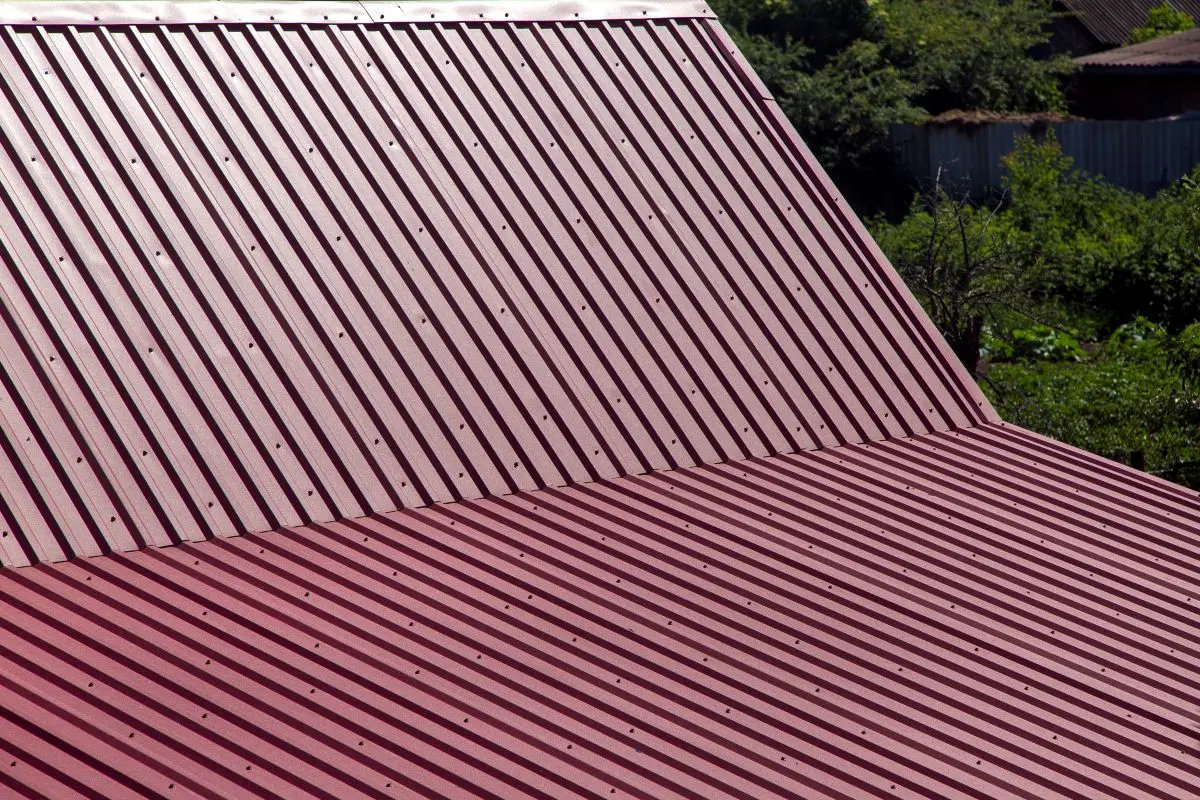
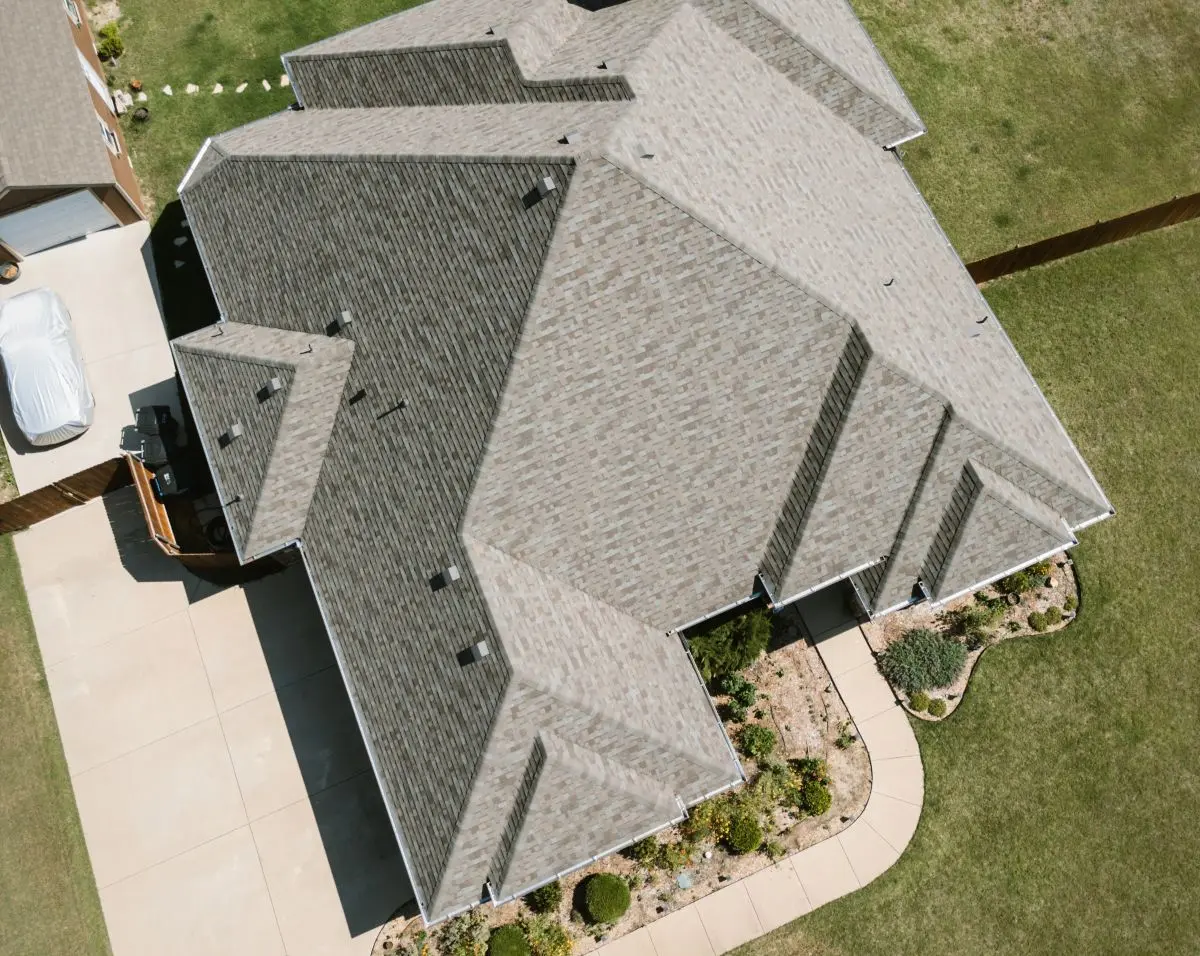
Traditional asphalt shingles remain the most common roofing choice for residential properties, largely because of their lower upfront cost and wide availability. Metal roofing, including standing seam panels and metal shingles, has grown in popularity as homeowners look for longer lasting, lower maintenance alternatives. Neither option is universally “better” for every metal or asphalt roof project. The right roofing system depends on how long you plan to own the home, your local climate, and how much you’re willing to invest upfront for long-term savings.
Whether you’re starting your first residential roofing project or replacing an aging roof after storm damage, this guide breaks down what actually matters. Here’s what we’ll cover:
- How asphalt shingles and metal roofing compare on upfront cost
- Which material lasts longer and holds up better to severe weather
- How much each option weighs and what that means for your home’s structure
- Energy efficiency differences between the two materials
- Maintenance and repair expectations over time
- Which option tends to make more sense for homes in our area
6 Key Differences Between Asphalt Shingles and Metal Roofs
Both materials protect your home, but they do it in very different ways. Below are the differences that matter most when you’re comparing quotes and trying to decide what fits your property.
- Upfront cost: Asphalt shingles typically cost less per square than metal panels, making them the more budget-friendly choice for homeowners who want reliable protection without a large upfront investment.
- Lifespan: Architectural asphalt shingles generally last 20 to 30 years, while a properly installed metal roof can last 40 to 70 years depending on the panel type and coating.
- Weight and structure: Asphalt shingles are heavier per square than most metal panels, though both are within the load range most homes are built to handle. Older structures should still be evaluated before a switch.
- Weather resistance: Metal roofing generally holds up better to high wind and hail impact, while asphalt shingles tend to perform well against rain, wind, and moderate hail when they include algae resistant coatings.
- Energy efficiency: Reflective metal roofing can help reduce attic heat buildup during peak summer months, while asphalt shingles absorb more heat unless a cool roof rated product is used.
- Maintenance and repair: Asphalt shingles are easier and less expensive to repair section by section, while metal roofing requires a specialist for panel repairs but needs less routine upkeep overall.
Why These Differences Matter for Your Budget
Choosing between these two materials isn’t just about the sticker price. A cheaper roof that needs replacing again in 18 years can end up costing more over time than a pricier system that lasts twice as long. Thinking in cost per year of service, rather than cost per square foot alone, usually changes the conversation for homeowners on the fence.
This is also where warranties and installation quality come into play. How well asphalt shingles perform over time depends heavily on proper ventilation and underlayment, while poor ventilation can shorten a roof’s lifespan regardless of material. The same holds true for metal roofing, where panel quality, fastener type, and coating thickness affect how close it gets to the higher end of its 40 to 70 year range.
Cost, Lifespan, and Performance at a Glance
When comparing metal roofing and asphalt options side by side, cost per square foot is usually the first thing homeowners look at. Here’s a general comparison based on typical residential installations.
| Feature | Asphalt Shingles | Metal Roofing |
| Average cost per square | $150 to $400 | $700 to $1,000 |
| Typical lifespan | 20 to 30 years | 40 to 70 years |
| Wind resistance | 110 to 130 mph | 140 mph or higher |
| Weight | Heavier | Lighter |
| Energy efficiency | Standard, unless cool rated | Higher with reflective coatings |
| Repair complexity | Simple, section by section | Requires a specialist |
Pricing and specifications vary by manufacturer and product line, so these figures are meant as a general guide rather than an exact quote for your home. Both metal and asphalt roofs can outperform their base warranty period when properly installed and maintained, which is worth factoring into any cost comparison.
Which Roofing Materials Add More Resale Value?
Roofing materials can influence how a home is perceived by buyers and appraisers, though the impact varies by market and region.
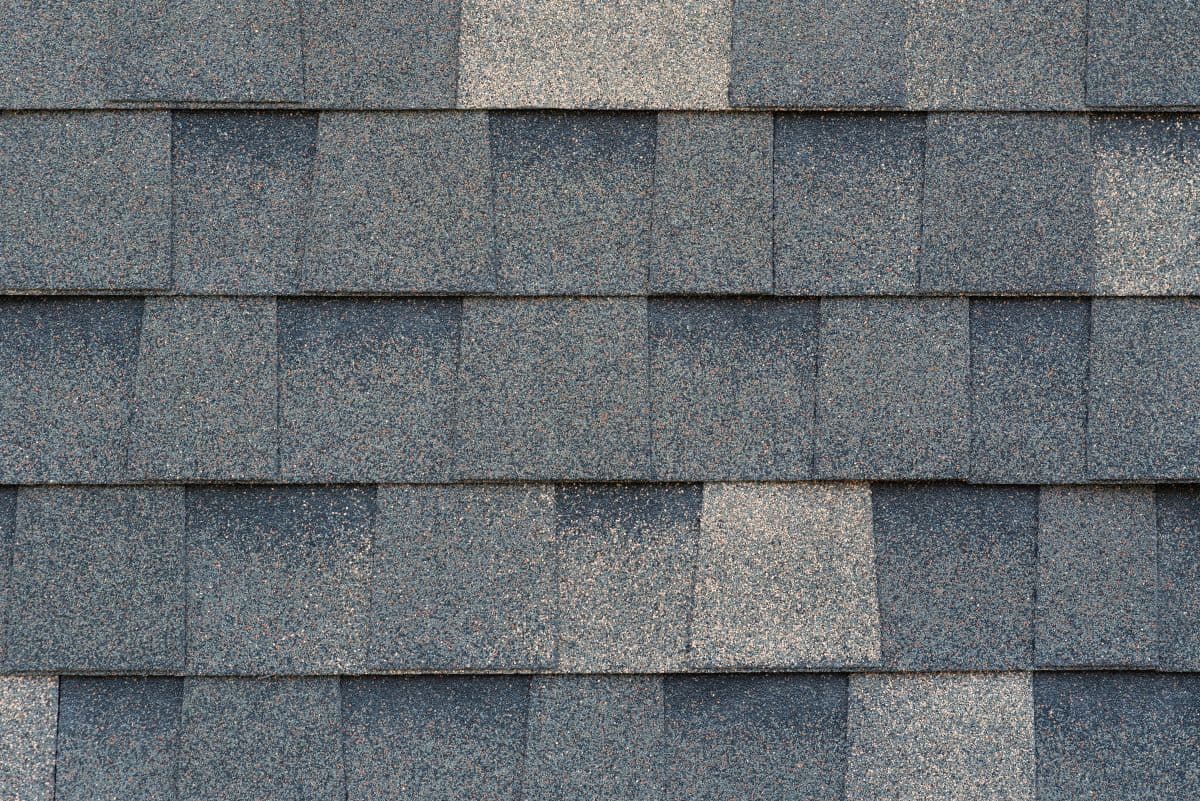
- Asphalt shingles: Widely expected by buyers, so a newer architectural shingle roof signals recent upkeep without raising questions.
- Metal roofing: Often viewed as a premium upgrade, with some appraisers factoring in the extended lifespan when evaluating home value.
- Remaining warranty: A roof with more years left on its warranty, whether shingle or metal, typically strengthens resale position more than the material itself.
- Regional expectations: Where metal roofing is common, it blends in as an expected upgrade rather than standing out, while in shingle-dominant markets it can be a differentiator.
For most homeowners, the bigger resale factor is simply having a roof in good condition with documented age and warranty coverage, regardless of which material sits on top.
How Climate Plays a Role in Ennis, TX
Homeowners in Ennis, TX deal with a mix of intense summer heat, sudden hailstorms, and strong straight line winds throughout the year. That combination puts real stress on a roof, and it’s a big reason material choice matters so much here.
- Summer heat: North Texas summers regularly push attic temperatures higher, so reflective or cool rated materials can meaningfully reduce cooling costs.
- Hail exposure: Impact resistant asphalt shingles and metal panels both offer strong protection, but metal generally shows less long-term granule loss or dimpling after repeated hail events.
- Wind gusts: Higher wind rated products, whether shingle or metal, hold up better during spring storm season.
Reflective roofing surfaces can stay up to 50°F cooler on a hot afternoon than a dark, less reflective roof, according to research highlighted by ENERGY STAR. That’s a meaningful difference during a Texas summer, and it’s one reason some homeowners lean toward metal or cool rated shingles when replacing an aging roof.
We’re proud to serve home and business owners in Ennis, TX and nearby communities with roof replacements, repairs, and honest guidance on which material actually fits their home.
Frequently Asked Questions About Asphalt Shingles vs Metal Roofing
Homeowners comparing these two materials tend to ask similar questions before making a final decision. Here are answers to the ones we hear most often.
Is metal roofing worth the higher upfront cost?
For many homeowners, yes. Its longer lifespan and lower long-term maintenance needs often make it the better value over a 30 to 40 year period for those staying in their home long term.
Can I install metal roofing over existing asphalt shingles?
In most cases, local building codes and manufacturer warranties require a full tear off before installing a new roofing system. A professional inspection can confirm what’s allowed for your specific home.
Does metal roofing make more noise during rain or hail?
Modern metal roofing systems include solid decking and underlayment that significantly reduce sound, so noise is rarely the issue it once was with older metal roofs.
Will switching to metal roofing lower my homeowners insurance?
Some insurance providers offer discounts for impact resistant roofing materials, including certain metal products. It’s worth asking your provider directly, since policies vary.
How do I know which material is right for my home?
The right choice depends on your budget, how long you plan to stay in the home, your roof’s slope and structure, and local weather patterns. A professional inspection is the best way to get a clear recommendation.
How long does it take to install a metal roof versus asphalt shingles?
A typical asphalt shingle roof replacement takes one to three days depending on home size and complexity. Metal roofing installation generally takes longer, often three to seven days, since panels require more precise measuring, cutting, and fastening.
Can I finance a roof replacement, and does the material affect financing options?
Most reputable roofing companies, including MINT Exteriors, offer financing options for both asphalt shingle and metal roof replacements. The material itself doesn’t usually change financing eligibility, though the total project cost will affect monthly payment amounts.
Straight Answers From MINT Exteriors
Choosing between asphalt shingles and a metal roof shouldn’t feel like a guessing game. MINT Exteriors has helped homeowners across Texas and Oklahoma make this exact decision since 2007, backed by Owens Corning Platinum Preferred status and a team that explains your options honestly instead of pushing whatever earns the biggest markup.
If you’re ready to figure out which material makes sense for your home, our team is happy to walk you through it during a free inspection. Schedule your free inspection with MINT Exteriors today and get a straight answer, not a sales pitch.